
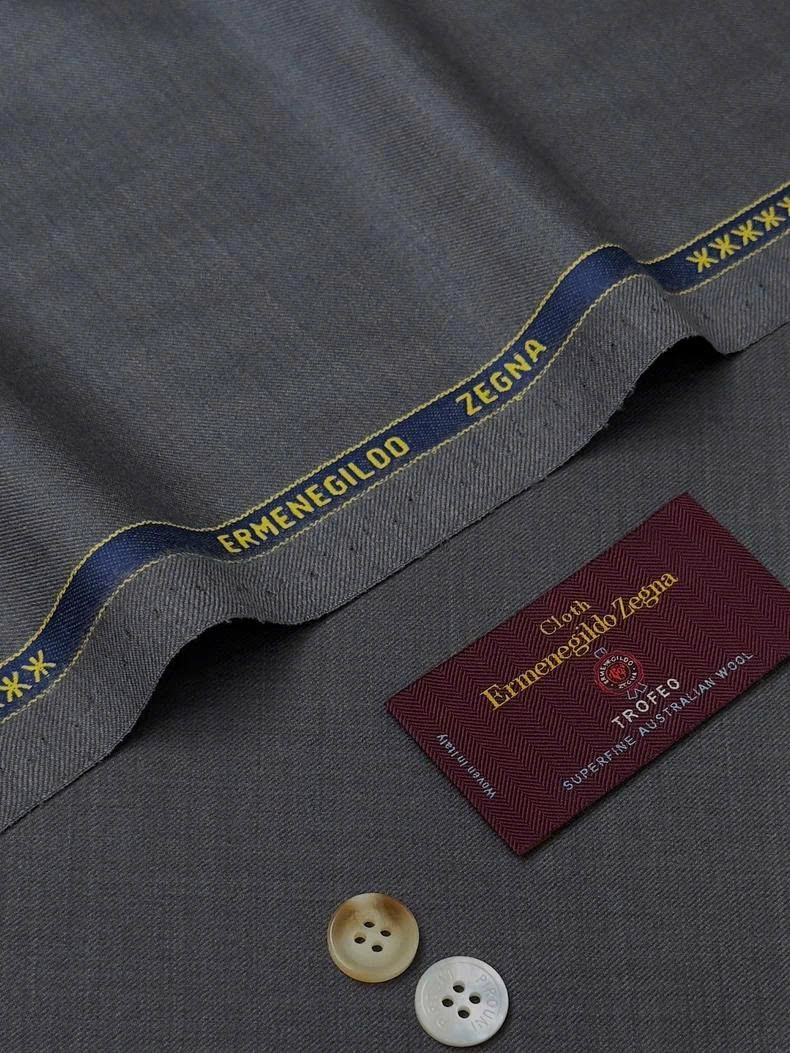
Choosing suit cloth for a hot climate should start with how you will wear the garment. Moving around outdoors, working in an air-conditioned office and attending long events are different situations. A cloth that feels pleasant to the touch may not suit your whole schedule.
For a made-to-measure suit, the wearing experience is created by several factors at once: fibre composition, weave, weight, lining, jacket construction and fit. So read the information for the cloth and discuss the design before deciding on the basis of the material's name alone.
Assess where you will wear it
If you spend most of your time in air-conditioned rooms, you may prioritise a polished look and drape alongside a light feel. If you often move around outdoors, discuss breathability and lining in more detail. If the suit is for business travel, packing and care time also become criteria worth considering.
Describe your schedule with specific situations. For example, you wear a suit from morning to evening, move between the car and the office, or often attend outdoor parties. This information helps the specialist compare cloths according to your real needs, rather than offering one general choice for every client.
Wool is not only for cold weather
Wool suitings come in many weights and constructions. A light suiting cloth should not be confused with the thick wool of a winter coat. When considering wool, check the specific swatch and ask for information on composition, weave and intended use as described by the manufacturer.
Observe how the cloth drapes and how the surface feels, but understand that a small swatch cannot fully reproduce the experience of a finished suit. Look at a sample garment with a similar construction if one is available, then discuss the lining and room for movement. That combination is more useful than an absolute claim that wool is always cool or always warm.
For clients who need a formal look at work, wool may be on the shortlist. The final decision still depends on each cloth and how the jacket is constructed. A fibre composition should not be seen as a guarantee of comfort for every body or every temperature.
Linen and a naturally textured style
A linen suit is often considered for more relaxed occasions: daytime meetings, outdoor events or holidays that still call for smart dressing. However, the appropriate level of formality also depends on the design, the colour and the rules of each event.
If you like the surface of linen, discuss in advance how readily it creases when worn. Those who love a natural look may accept this, while those who need a consistently smooth surface may prefer another option. Blends should also be read by their actual composition; do not assume every blend creases less or is easier to care for.
Look at linen together with the shirt and shoes you plan to pair it with. A light-coloured suit can feel airy, but the lighting, the opacity of the cloth and the setting should be checked. In particular, check how sheer it is under appropriate lighting before confirming the design.
Read Super S numbers for what they are
For wool cloth, the Super S notation relates to the fineness of the fibre under the corresponding grading system. It does not directly tell you the weight of the cloth, its breathability, durability or suitability for hot weather. So a higher number does not automatically mean a better choice for every need.
If you want to know whether a cloth suits frequent wear, ask for the technical information of that exact cloth. Also explain how you will wear it and how much care you can give it. A Super S label should be read together with the composition and other specifications, rather than becoming the only criterion.
Jacket construction and fit
The lining and inner canvas affect how the suit feels. You can ask about lining options and the purpose of each. A lightly lined jacket is not automatically better than a fully lined one; the tailor needs to consider the stability of the shape, the surface of the cloth and how you will use the garment.
The closeness of the fit also matters. A very close cut can feel inconvenient in everyday movements, even if the cloth is described as light. During the fitting, sit, walk and move your arms naturally. These specific sensations should be shared before the suit is finished.
Choose with information and real swatches
Before confirming, record the cloth code, composition and the agreed design. If a cloth has technical descriptions such as crease-resistant or designed for warm seasons, ask for the manufacturer's information for that exact collection. Do not carry a property of one cloth over to every product of the same mill.
Alpha Tailor invites you to talk through your schedule and see the cloth options that suit it. A suit that is easy to wear in a hot climate needs cloth, construction and fit to work together; the consultation is where those three elements are considered side by side.