
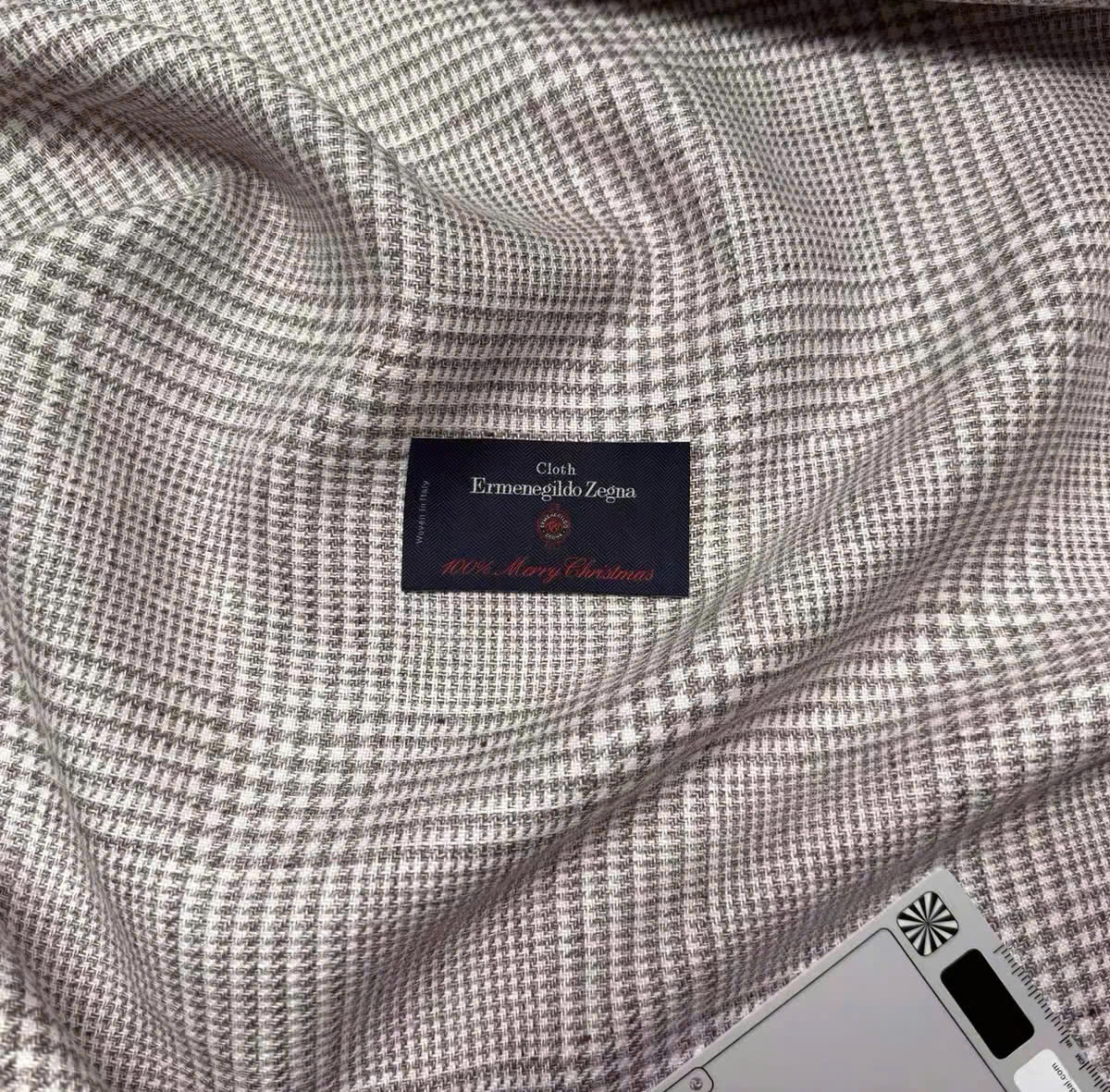
Choosing the cloth for a suit is one of the most important decisions in the made-to-measure experience. The material shapes the surface, the drape and how the suit comes across in each situation. But the softness you feel in your hand is only part of the assessment; you also need information to know whether that choice suits the way you will wear it.
During your consultation with Alpha Tailor, start with the purpose of the suit, then discuss the swatches presented to you. The choice becomes clearer when you can connect colour, composition and construction to your actual schedule. A brand name or a collection image should be read together with the details of the specific cloth.
Decide what matters most
Is your priority work attire, events or more relaxed meetings? Do you want a plain surface, a discreet pattern or a colour that makes a statement? Rank your criteria by importance so the consultation is not scattered across too many options.
If you are not yet sure which cloth you like, describe the suits you have worn. Pieces that felt comfortable or inconvenient are both useful information. Descriptions of feeling hot, of weight or of difficult care should be linked to specific situations, helping the specialist understand your expectations.
Read the cloth code and composition
Ask for the code of the chosen swatch and the fibre composition from the manufacturer's information to be recorded. This is the basis for checking the choice before cutting. If a collection has several similar colours, keeping the exact code avoids confusion far better than simply noting "dark blue" or "grey".
A blended cloth should be described by its actual composition. Do not call it "100% wool" unless the swatch information confirms it. If you only have a photo, ask to check the label or related documents before drawing conclusions about composition and origin.
Distinguish brand from origin
The brand name, where the company is headquartered, where the raw material comes from and where the cloth is made are different pieces of information. Do not assume that every product from a brand headquartered in Italy is woven in Italy. The origin of a specific cloth should be checked against the corresponding documents or label.
This is especially useful if you want to choose by a clear criterion of origin. Ask which information has been confirmed and which still needs checking. An answer with a clear scope will help you decide more accurately than a general description of "European cloth".
View swatches in the right light
Look at the colour under indoor lighting and, where possible, in natural light. Colours shown on a phone or in photos may differ from the real swatch. If the suit will be worn at an event with special lighting, share the setting so you can be advised on how to judge it.
Placing the swatch next to the shirt, tie or accessories you usually wear also helps you picture the whole look. There is no need to choose pieces in exactly the same colour; the aim is a combination that suits your style. When considering a pattern, ask how it will look across a large surface and at the seams of the garment.
Consider cloth together with jacket construction
With the same cloth, the choice of construction and lining can change how the finished jacket feels. Discuss the options within the scope of the service and the reasons behind each choice. The cloth and the canvas should not be decided as two completely separate matters.
If you want a light feel, explain how you will wear the suit so the tailor can take it into account. If you need a more formal line, ask how the construction can support that goal. Each option should be assessed according to the cloth, the design and your body, rather than applying one fixed choice to every client.
Understand technical figures correctly
Labels such as Super S numbers, weight figures or performance descriptions are different kinds of data. No single figure can replace a full assessment of the cloth. If a notation is unclear, ask for an explanation of the unit, its meaning and how it relates to your intended use.
For descriptions such as crease-resistant, easy to move in or suitable all year round, check the information for that specific collection. Do not carry the description of one cloth over to others just because they share a brand. Performance expectations should also be discussed in terms of real wearing conditions.
Confirm care and availability
Before confirming, ask for the care instructions of the cloth and the finished garment. A cloth that looks right but exceeds what you can realistically care for may mean the suit is worn less often. If you travel frequently, raise this at the very start of the consultation.
Availability also needs to be confirmed by cloth code and order date. Images in a collection do not prove that a cloth is in stock. If you need a specific cloth for an event on a fixed date, check before agreeing on the schedule. Alpha Tailor invites you to take your time choosing your cloth and to ask the questions you need. When the swatch code, technical details and design are clearly confirmed, your suit has a consistent foundation for the making process.